

Welcome to the site dedicated to Palazzo Barberini, one of Rome’s architectural masterpieces
and home of the National Gallery of Ancient Art.
Palazzo Barberini
History of Palazzo Barberini
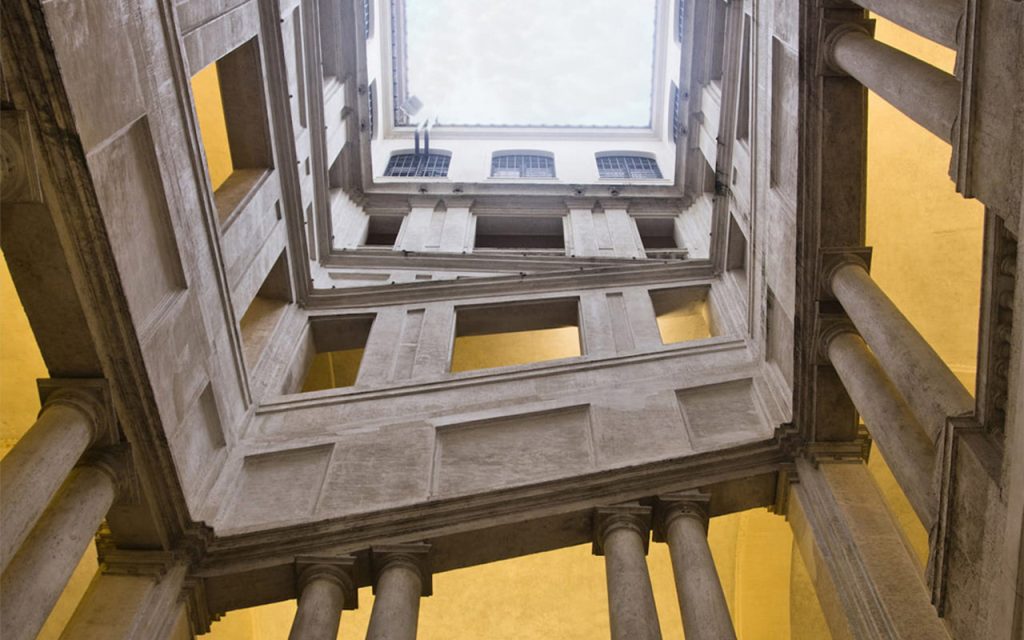
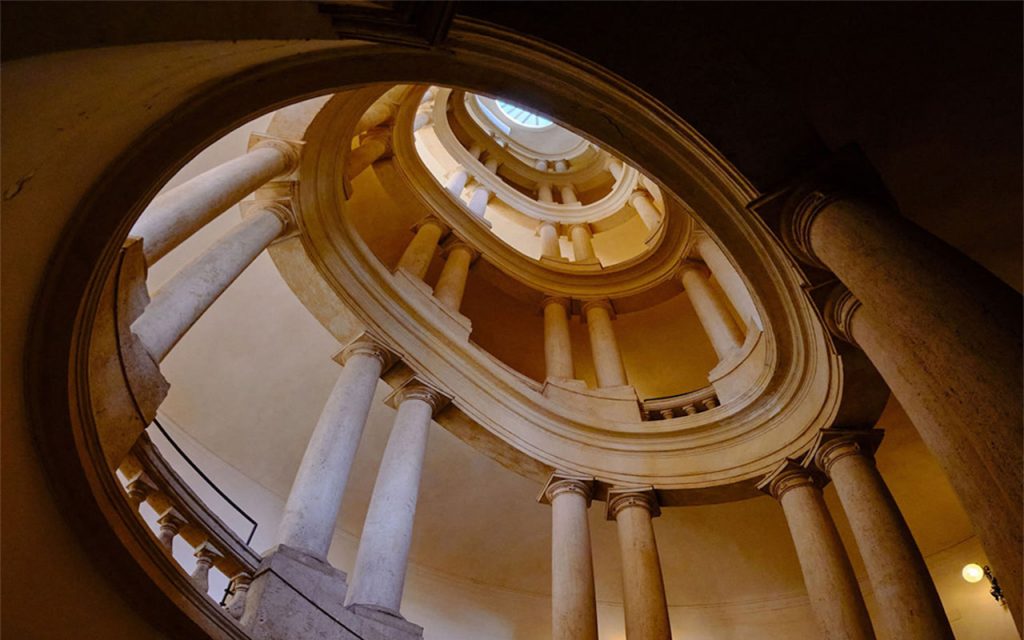
The construction of Palazzo Barberini began in 1625 at the behest of Pope Urban VIII Barberini. The architectural design was entrusted to Carlo Maderno, with contributions from Gian Lorenzo Bernini and Francesco Borromini, who made the palace an extraordinary example of the Roman Baroque style. Over the centuries, the palace became a landmark for art and culture, eventually becoming the home of the Galleria Nazionale d’Arte Antica, one of Italy’s most important pictorial collections.
Visit the Palazzo Barberini
Get ready for a journey through great Italian and international painting, among frescoed rooms, monumental staircases, and timeless works of art.
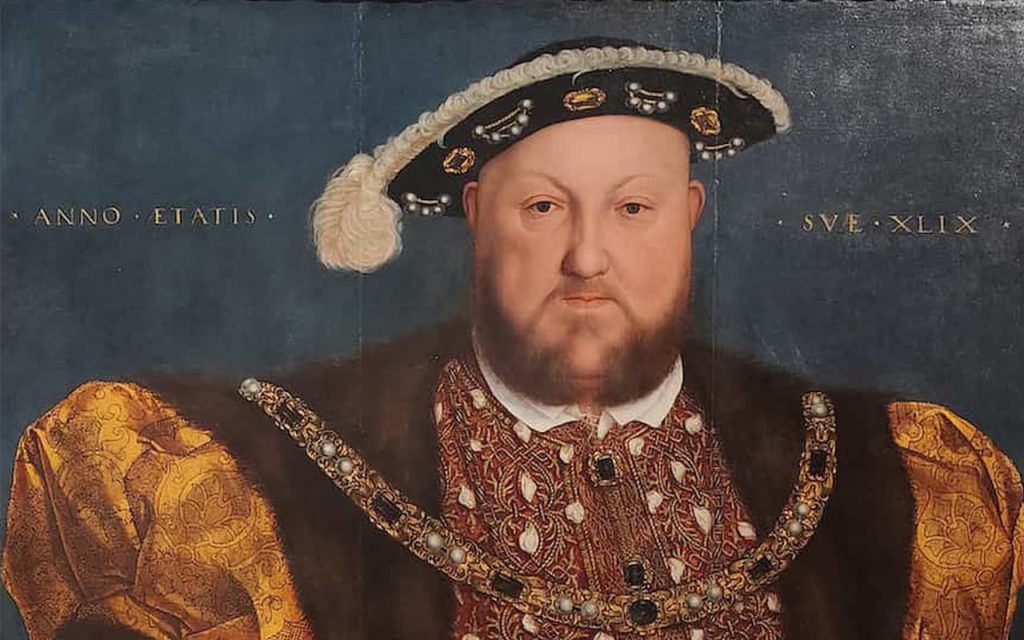
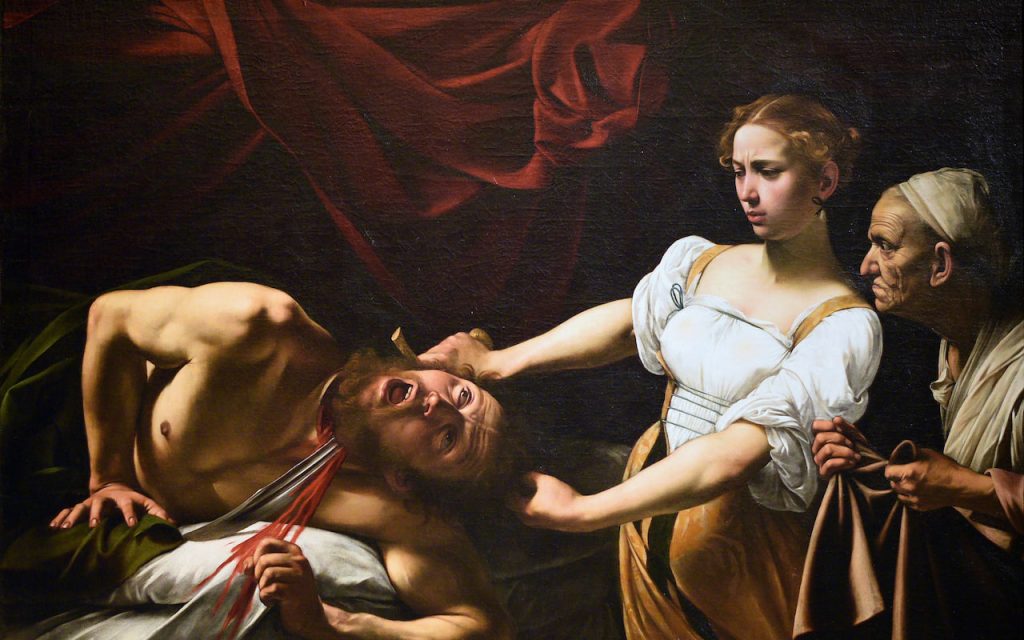
Among the most famous masterpieces on display at Palazzo Barberini you will find Raphael’s Fornarina, Caravaggio’s Judith and Holofernes, Titian’s Venus and Adonis, and Hans Holbein’s Portrait of Henry VIII.
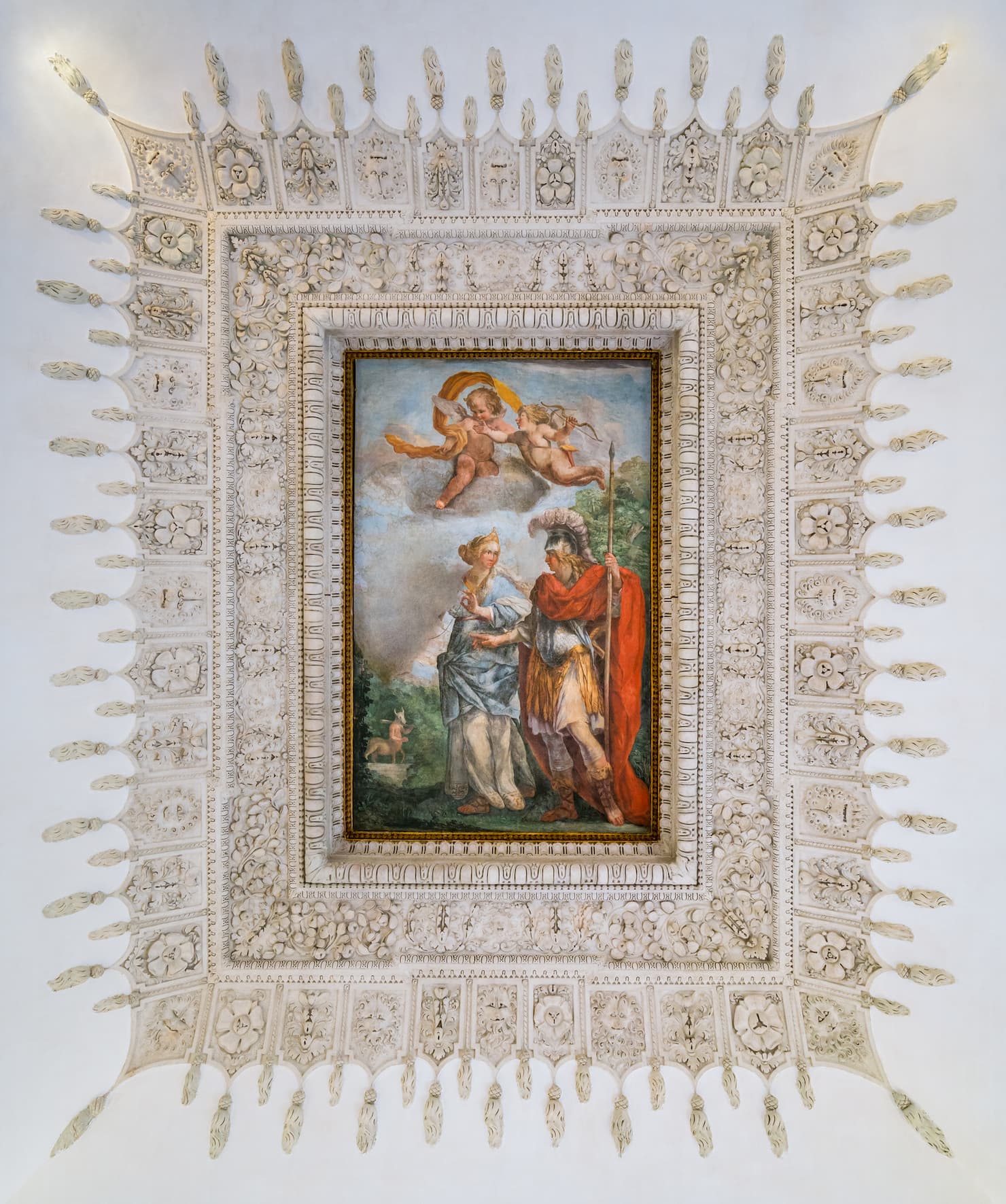
In addition to the exhibits, the building itself is an architectural masterpiece, with spaces decorated by great artists of the time.

Opening Hours
The National Galleries of Ancient Art – Palazzo Barberini are open year-round, with extended hours on some special occasions. Regular opening hours are:
Monday: closed
Tuesday: 10:00 am – 6:00 pm
Wednesday: 10:00 am – 6:00 pm
Thursday: 10:00 am – 6:00 pm
Friday: 10:00 am – 6:00 pm
Saturday: 10:00 am – 6:00 pm
Sunday: 10:00 am – 6:00 pm
Visitors’ last entry to Palazzo Barberini is one hour before closing time, which is 5:00 pm.
Overtime opening and closing times are:
january 1: 11:00 a.m. – 7:00 p.m
december 25: closed
Where the Palazzo Barberini is located
Palazzo Barberini is located at Via delle Quattro Fontane, 13, a short walk from Piazza Barberini and Bernini’s Triton Fountain. Its central location makes it easily accessible from all parts of Rome.

How to get to the Palazzo Barberini
Visiting the Palazzo Barberini is a unique experience that begins with the journey to reach them. The museums can be conveniently reached by a variety of means of transportation. Here are all the detailed options:



What to see inside
of the Palazzo Barberini
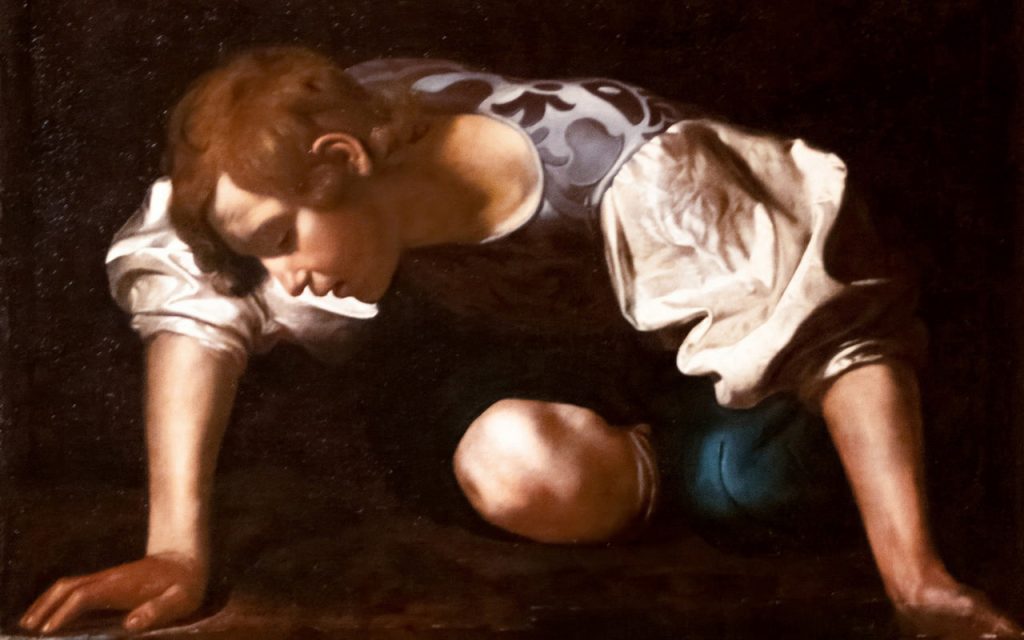
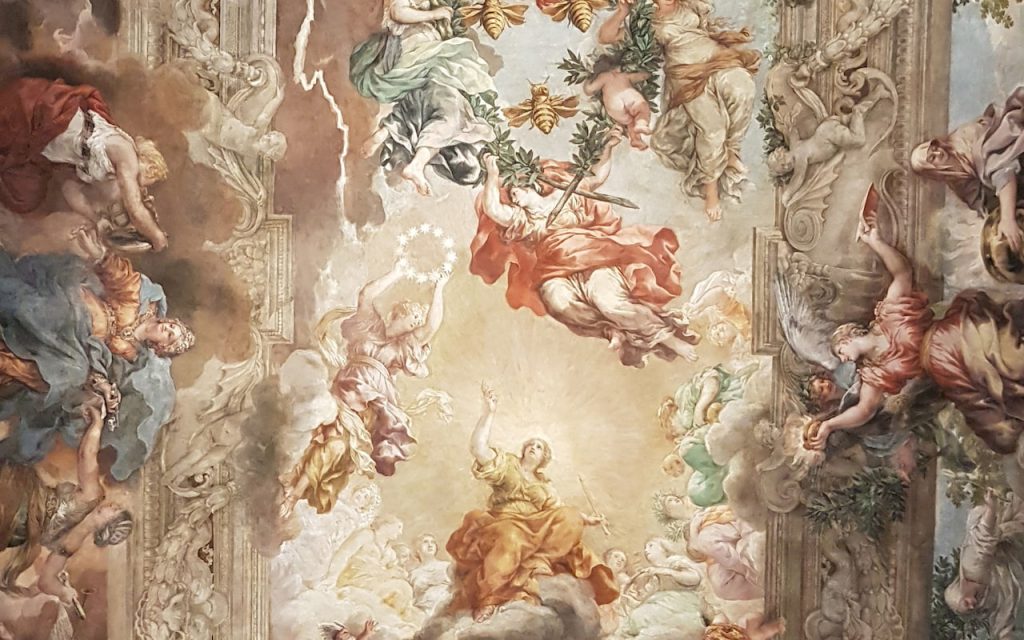
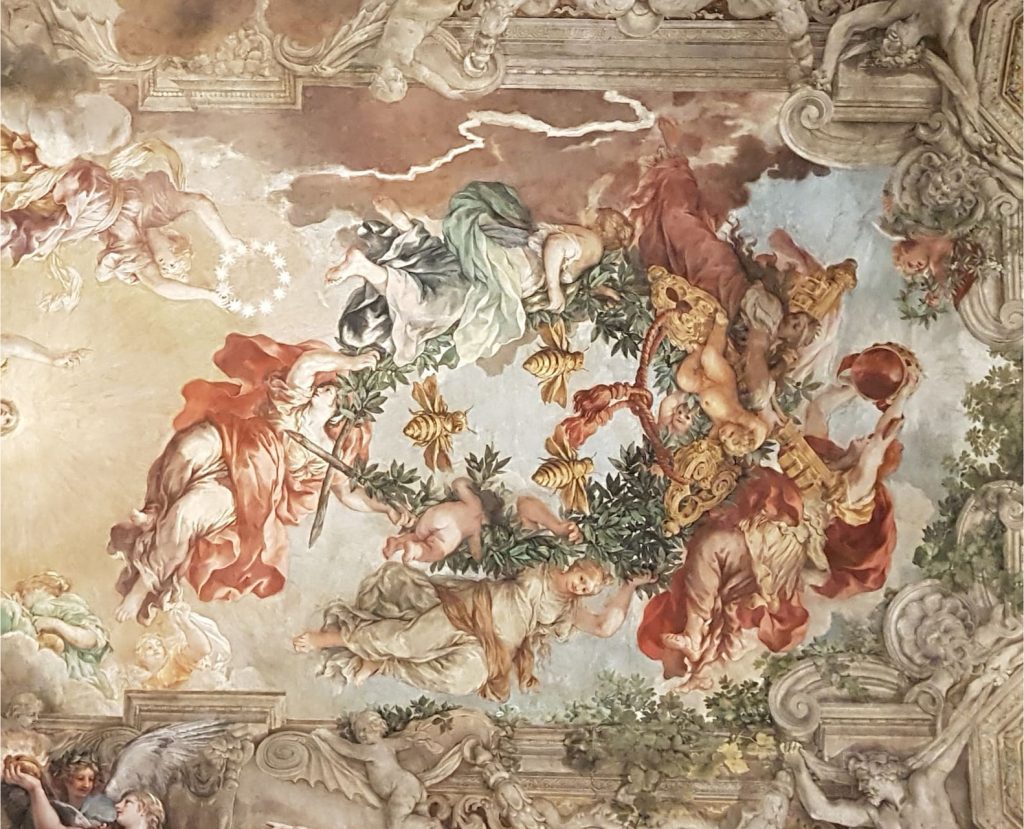
Palazzo Barberini is a masterpiece of Roman Baroque, a custodian of artistic treasures that tell the story of Rome’s greatness. Among the must-see works are Pietro da Cortona’s famous “Triumph of Divine Providence,” which dominates the ceiling with its spectacular theatricality, and masterpieces by Caravaggio, Raphael, and Titian, which enrich the Pinacoteca with extraordinary examples of Renaissance and Baroque art. As you stroll through the frescoed halls and elegant noble salons, you can immerse yourself in the history and evolution of Italian art, concluding your visit in the Palace’s charming garden, an oasis of tranquility in the heart of Rome.


Where to sleep near the Palazzo Barberini
If you wish to stay near Palazzo Barberini, you will find many options to suit every need. In the vicinity of Via Veneto and Piazza Barberini, you can choose from luxury hotels, elegant boutique hotels, and cheaper accommodations. If you prefer a more authentic experience, the Monti and Trevi neighborhoods offer cozy B&Bs and apartments located in historic buildings, perfect for soaking up the Roman atmosphere.
Where to eat near the Palazzo Barberini
After a visit to Palazzo Barberini, you can treat yourself to a gastronomic break at one of the many restaurants in the area. Nearby you’ll find historic trattorias, pizzerias and modern bistros serving specialties of Roman cuisine. Dishes not to be missed include carbonara, amatriciana, and saltimbocca alla romana. For a refined experience, Via Veneto offers fine dining restaurants overlooking the elegant streets of the historic center.

Tickets for the Palazzo Barberini
Reserving tickets in advance is recommended to avoid waits and ensure entry at the desired time slots. Several visit options are available:
Palazzo Barberini: Entrance fee
Buy your Palazzo Barberini tickets now! Limited availability. Choose your ideal time and discover must-see masterpieces by Raphael and Caravaggio. Seats are selling out fast!
You can cancel for free up to the day before the visit.
What to know before visiting Palazzo Barberini
Visiting Palazzo Barberini offers a unique immersion in Baroque art and architecture. To ensure an enjoyable and well-organized experience, consider the following useful information.
Tickets
Online ticket reservations are highly recommended, especially during the peak tourist season, to ensure you get access at your desired time and avoid possible waits at the entrance. Options are available for self-guided tours or with expert guides who will take you through the museum’s masterpieces. For more details and to purchase tickets, visit the official website
Opening and closing hours
Palazzo Barberini is generally open Tuesday through Sunday, 10:00 am to 6:00 pm, with last admission allowed at 5:00 pm. The museum is closed on Mondays, December 25 and January 1. It is advisable to check the updated hours on the official website before visiting, as they may change for holidays or special events
Handicapped accessibility
Palazzo Barberini is committed to ensuring accessibility for all visitors. Most exhibition areas are accessible via elevators and ramps, making the route easy for those with mobility difficulties. Tactile aids are available for the blind and visually impaired, and video content in Italian Sign Language (LIS) for deaf people. Admission is free for people with disabilities and a companion. For more details and updates, see the dedicated section on the official website
Dress code and recommended attire
There is no specific dress code required to visit Palazzo Barberini; however, respectful attire appropriate to the cultural context is recommended. Considering the possibility of having to walk a long distance, comfortable shoes are recommended to fully enjoy the visit
Wardrobe
Checkroom service is free of charge and available at the museum entrance. You may deposit bulky bags, backpacks, umbrellas and other items that could pose a risk to the exhibits. Please pick up deposited items by museum closing time
Backpacks, bags and strollers
For reasons of safety and preservation of works, backpacks and large bags are not allowed in the exhibition halls. You may use the free checkroom service to deposit such items. Access with strollers is allowed, but you may be required to use lightweight or folding models to facilitate the exhibition route
Photos and videos
It is permitted to take photos and record video inside Palazzo Barberini for personal or studio use, without the use of flashes, tripods, selfie sticks or additional lights, in order to protect the works and ensure an enjoyable visit for all. For professional filming or for commercial purposes, specific permission is required. For detailed information and to download the application form, visit the dedicated section on the official website
Request to draw in the museum
To draw inside Palazzo Barberini, it is necessary to request free permission by filling out a special form, which must be submitted at least 48 hours in advance. The request, addressed to the museum management, can be handed in at the ticket office or sent by email to the address provided on the official website. Authorization does not waive the admission fee, if due, and must adhere to museum hours. The use of an easel, if required, must be specified in the request. During the drawing activity, visitors must follow staff directions so as not to inconvenience other guests
Duration of the visit
A full visit to Palazzo Barberini takes an average of 2-3 hours. If you wish to deepen your experience with a guide or explore all the sections at your leisure, it is advisable to devote at least half a day. This will allow you to appreciate every detail of the palace’s collections and architecture
ID 116123063 @ E55evu | Dreamstime.com
Frequently asked questions
Do you have questions about the Palazzo Barberini? Check out our FAQ section to find detailed answers to common questions, such as what the entrance fee includes, the history of the Gallery, and so on.
The recommended duration for a visit to Palazzo Barberini is about 2 hours if you want to admire the main works and architecture of the palace at leisure. If you want to explore further with audio guides or guided tours, it may be worthwhile to devote at least 3 hours.
Palazzo Barberini houses some of the greatest masterpieces of the National Gallery of Ancient Art. Among the most celebrated works you will find:
- Raphael’s La Fornarina
- Judith and Holofernes by Caravaggio
- Venus and Adonis by Titian
- Portrait of Henry VIII by Hans Holbein
- Caravaggio’s Narcissus
- The Triumph of Divine Providence, a monumental fresco by Pietro da Cortona
In addition to the paintings, the palace itself is an architectural masterpiece, with staircases designed by Bernini and Borromini.
The Corsini Gallery, located in Trastevere, is the only Roman picture gallery still housed in its original location. Here you can find an extraordinary collection of paintings from the 16th to the 18th century, including:
- St. John the Baptist by Caravaggio
- Salome with the Head of the Baptist by Guido Reni
- Madonna and Child with St. John by Murillo
- Landscapes and still lifes by Salvator Rosa and Pieter Claesz
The Corsini Gallery offers a more intimate atmosphere than Palazzo Barberini, ideal for those who like to immerse themselves in art without the crowds.